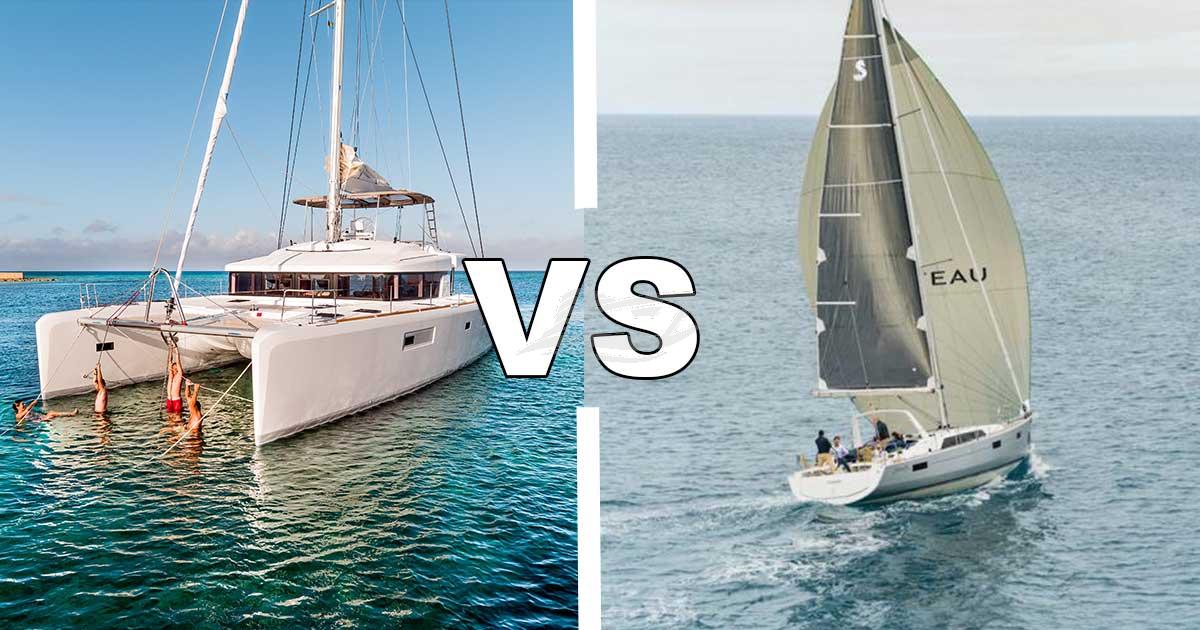

Croatia vs Greece for Your First Charter: 2026 Comparison Guide
Croatia vs Greece for your first 2026 yacht charter — sailing distances, wind, cost, marinas, food, kids. Operator’s honest comparison.
Read more
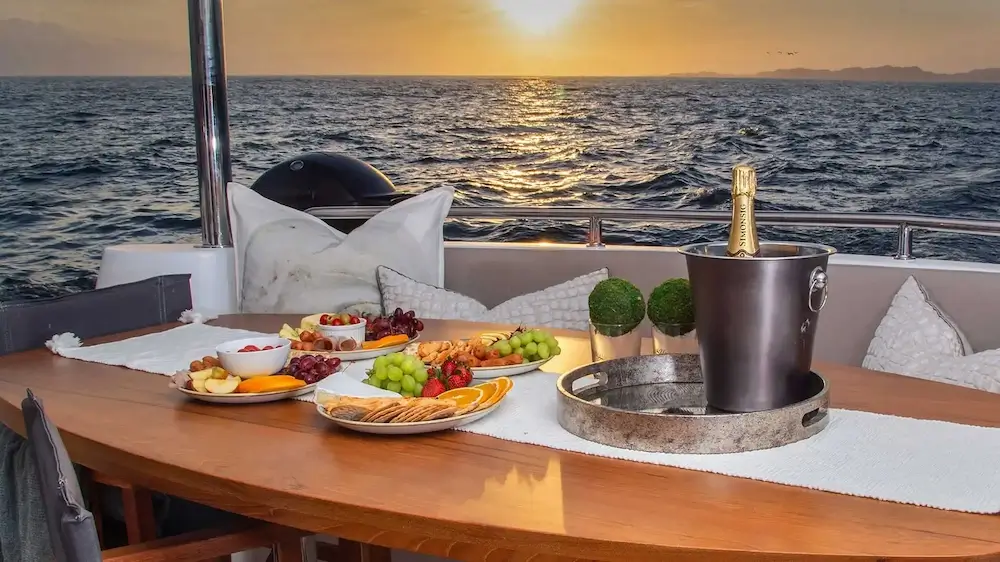
Provisioning your yacht for a sailing adventure is an essential aspect of planning. It’s not just about the quantity of food but also the quality and variety that can enhance your experience on the sea. This comprehensive guide will provide you with all the information you need to provision your yacht efficiently and effectively.
Yacht provisioning is the process of planning, purchasing, and organizing food and supplies for your time aboard. It involves considering the duration of your trip, the preferences and dietary needs of everyone on board, and storage capabilities of the yacht.
Start by assessing the dietary needs and preferences of your crew. This includes considering any allergies, dietary restrictions, and personal likes and dislikes.
The duration of your trip and your sailing destination will significantly influence what and how much you need to bring. Longer trips require more supplies, and certain destinations may offer opportunities to replenish your stocks.

Yacht Provisioning How To Charter Departure Without Worries About Food 2
Create a detailed list of items you need, categorizing them into food, beverages, and other essentials. This will serve as your guide when shopping and packing.
Aim for a balance between nutritious meals and convenient options. Include a mix of fresh produce, non-perishable items, and easy-to-prepare foods.
Consider the storage facilities available on your yacht. Plan your provisions based on refrigeration space, dry storage, and the shelf life of different food items.
Navigating the intricacies of food provisioning is crucial for a seamless and enjoyable yacht experience. This section focuses on selecting the right types of food for your journey and organizing them efficiently.
When choosing food for your yacht trip, consider the ease of preparation, nutritional value, and variety. Incorporate a mix of fresh, frozen, and canned items to ensure a well-rounded diet.
Fresh fruits and vegetables are essential for a healthy diet. Opt for a variety of colors and types, keeping in mind their shelf life. Hardy vegetables like carrots and cucumbers tend to last longer.
Include a variety of protein sources such as meats, fish, beans, and lentils. Canned or vacuum-sealed proteins can be excellent space-saving options.

Yacht Provisioning How To Charter Departure Without Worries About Food 3
Carbohydrates are crucial for energy. Consider space-efficient and easy-to-cook options like pasta, rice, and bread.
Proper storage and organization are key to ensuring your food lasts longer and remains fresh.
Use your yacht’s refrigeration for perishable items, organizing them in a way that allows easy access and efficient use of space.
For dry storage, use airtight containers to prevent moisture and pests. Label and date items for easy identification and rotation.
Ensure you have an adequate supply of drinking water. Additionally, bring a variety of beverages to cater to different preferences, including coffee, tea, and soft drinks.
In this last section, we focus on the final steps of yacht provisioning, ensuring that you have everything you need for a smooth and enjoyable journey. These practical tips and answers to common questions will help you depart without any worries.
Before you set out, conduct a thorough inventory check. This ensures that you have a balanced supply of food and beverages, catering to everyone’s needs and preferences.
Plan your meals ahead of time, considering the length of your trip and the preferences of your crew. Utilize versatile ingredients that can be used in multiple dishes to save space and reduce waste.
On a yacht, kitchen space is often limited. Plan meals that are simple to prepare and don’t require a lot of utensils or cooking space. One-pot meals, salads, and grilled dishes can be both delicious and practical.

Yacht Provisioning How To Charter Departure Without Worries About Food 4
Be mindful of food waste. Store leftovers properly for future meals and plan a waste management strategy that is eco-friendly and adheres to maritime regulations.
Focus on a mix of fresh, canned, and dry goods. Easy-to-prepare meals and snacks that don’t require extensive cooking are ideal. For inspiration and a comprehensive list, visit What to Take on Your Yacht Holiday.
For longer trips, prioritize non-perishable items and consider the storage capacity of your yacht. Vacuum-sealed meats, canned vegetables, and long-lasting fruits like apples are great choices.
Opt for light and nutritious meals that are easy to digest. Fresh fruits, salads, sandwiches, and grilled meats or fish are excellent choices. For more ideas, check out the FAQ on yacht charters.

Yacht Provisioning How To Charter Departure Without Worries About Food 5
Provisioning a yacht involves planning meals, buying supplies, and organizing storage. It’s about balancing variety, nutrition, and the practicalities of cooking at sea. For insights into yacht provisioning, explore Authentic Italian Food which can be a great addition to your menu.
With your yacht now ideally provisioned, you’re all set for an memorable sailing experience. Proper planning and thoughtful provisioning are the keys to enjoying your luxury yacht vacation to the fullest, leaving you free to enjoy the sea, the sun, and good company.
Mediterranean weeks reward shore-side detours — a bottle of Pošip with peka in a Hvar konoba, fresh seafood and Assyrtiko on a Cyclades terrace, or a quick stop in a Sardinian trattoria before the Mistral builds. Each coastline carries its own taste.
Choose your dates and destination, browse our fleet, and use request a quote to lock in pricing. Our team confirms availability with the agency and emails the booking summary within 24 hours.
For most bareboat charters in the Mediterranean you need a recognised skipper certificate (RYA Day Skipper, ICC, or equivalent) plus a VHF licence. If you don’t hold one, we book a professional skipper alongside the boat for the week.
The base charter fee covers the boat, standard equipment, insurance, and final cleaning fee in most cases. Extras such as fuel, port fees, transit log, tourist tax and skipper service are billed separately and explained in the booking summary.
For peak weeks (mid-July to late August) we recommend booking 6–9 months ahead to lock in the boat and the early-bird discount. Shoulder seasons (May, June, September) usually have availability up to a month before departure.
This guide was prepared by the Europe Yachts Charter editorial team — a group of charter brokers and sailors who have been organizing yacht charters in the Mediterranean since 2007. Every itinerary, marina, and pricing range described here reflects current first-hand fleet experience and direct partnership with licensed charter agencies. Last reviewed: May 2026.
If a detail looks out of date, write us at www.europe-yachts.com/contact — we update guides quarterly.