Early-Booking Discounts for Summer 2027: Real Deadlines and What You Save
By Europe Yachts Charter
·12 min read
If you want a specific yacht for summer 2027, the cheapest week to lock it in is happening right now. Charter fleets across the Mediterranean run a tiered yacht charter early booking discount for 2027 that quietly shrinks every few weeks, and the headline savings are real money: typically 5 to 15 percent off the base charter fee, sometimes more on a new boat the operator is keen to fill.
The catch is that the discount is tied to fixed calendar deadlines, not to how far ahead you book in a vague sense. Miss December 31, and a 15 percent deal often drops to 10. Miss January 31, and you may be looking at 5 percent or nothing. Below is how the tiers actually work, the country-by-country deadlines, and where the math really moves the needle.
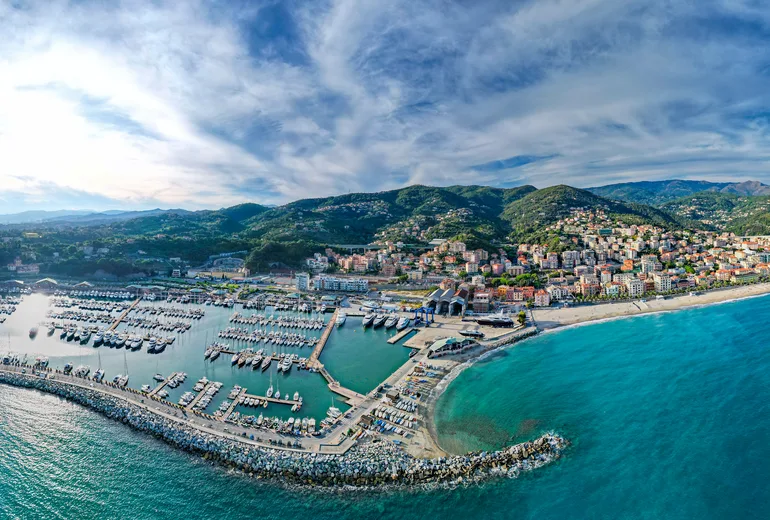
Autumn is when the best 2027 weeks quietly sell out at the top early-booking tier.
How early-booking tiers actually work for 2027
Most operators publish a discount ladder rather than a single number. A common shape looks like this: book and pay the deposit before December 31, 2026 and you get the top tier, often 12 to 15 percent. Slip into January and the same boat sits at 10 percent. By spring the early offer is gone and you are paying the standard rate, with only last-minute deals later in the season as the alternative.
Two things matter more than the percentage itself. First, the discount almost always applies to the base charter fee, not to extras like the end-cleaning, tourist tax, transit log or fuel. Second, you usually have to pay the deposit (commonly 30 to 50 percent) to secure the tier. A reservation without payment rarely holds the early rate, and that surprises people every season.
What the percentages are worth in euros
On a mid-range monohull around €4,000 a week, 15 percent is €600 back. On a 2027-model catamaran at €12,000 a week, the same tier is €1,800, which often covers your flights for four. Larger crewed yachts amplify it further: a €30,000 week at 10 percent is €3,000, roughly the cost of the hostess and chef extras for the trip. The bigger the boat, the more the early deadline is worth chasing.
Country-by-country deadlines for summer 2027
The dates below reflect how the major Mediterranean markets tend to structure their early offers. Operators vary, so treat these as the windows to watch rather than universal law, and always confirm the exact terms on the boat you want.
Croatia: the strictest calendar
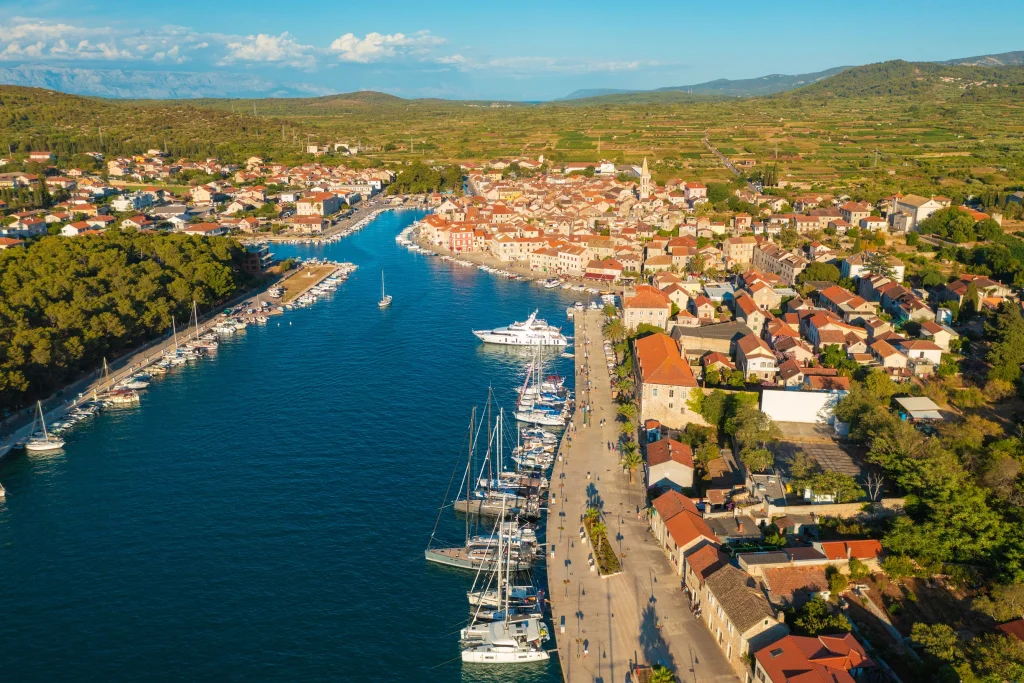
Croatian fleets are the most disciplined about deadlines. The richest tier usually closes on December 31, with a second step around the end of January and a final, thinner offer into February or March. Split, Trogir and Biograd marinas hold the deepest fleets, so popular weeks in July and the first half of August on the better-kept boats genuinely sell out at the early rate well before spring.
Greece: similar tiers, longer tail
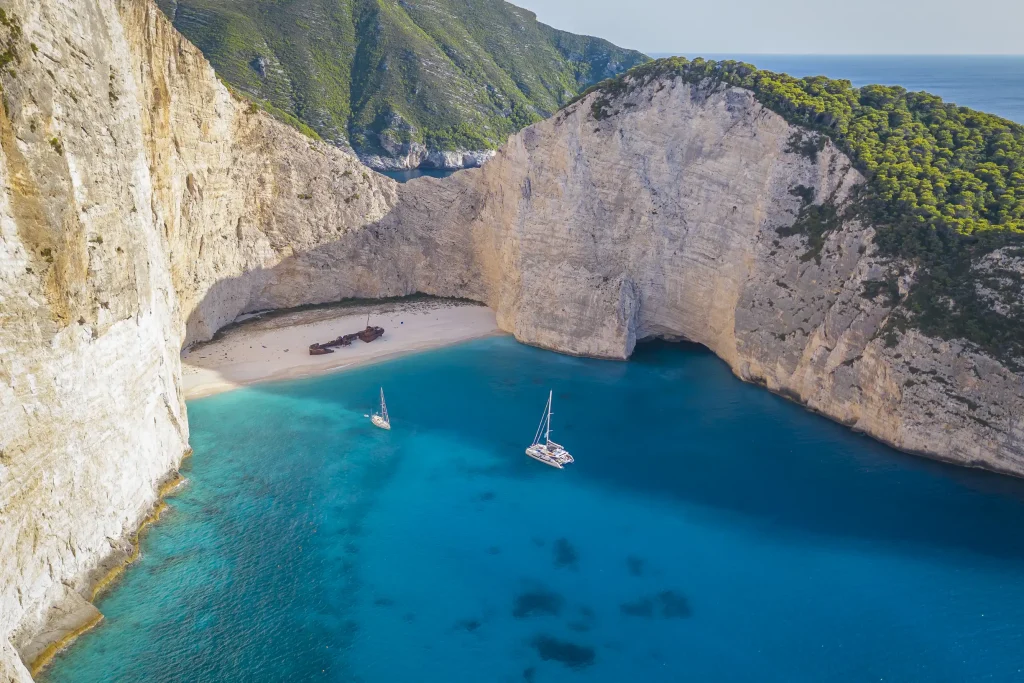
Greek operators run a comparable December 31 / January 31 ladder, but the sheer size of the fleet out of Athens (Alimos), Lavrio and Lefkada means there is a longer tail of availability. You will still find boats in spring, just not always the exact one you wanted in the week you wanted, and rarely at the top tier. Cyclades and Saronic departures from Athens fill faster than the Ionian.
Italy: the window that drifts into autumn
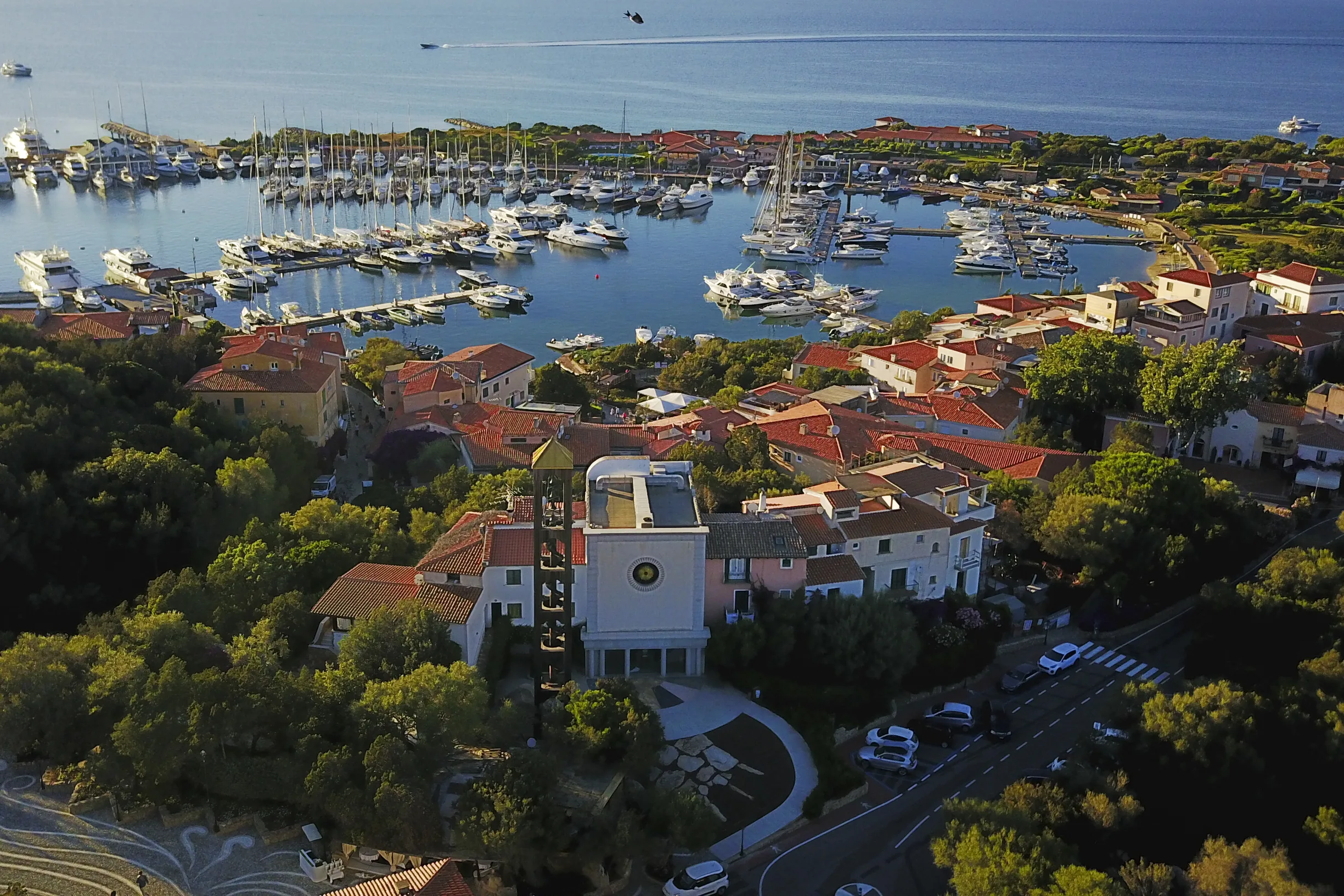
Italy is the outlier. Several Italian bases, especially in Sardinia around Olbia, Portisco and Porto Rotondo, open their best 2027 offers later and let the early window drift into autumn, sometimes only firming up around the new year. If your heart is set on the Costa Smeralda or the Aeolians, it pays to ask early but not to panic if the published deadline looks generous; the supply-demand math there runs on a slightly different clock.
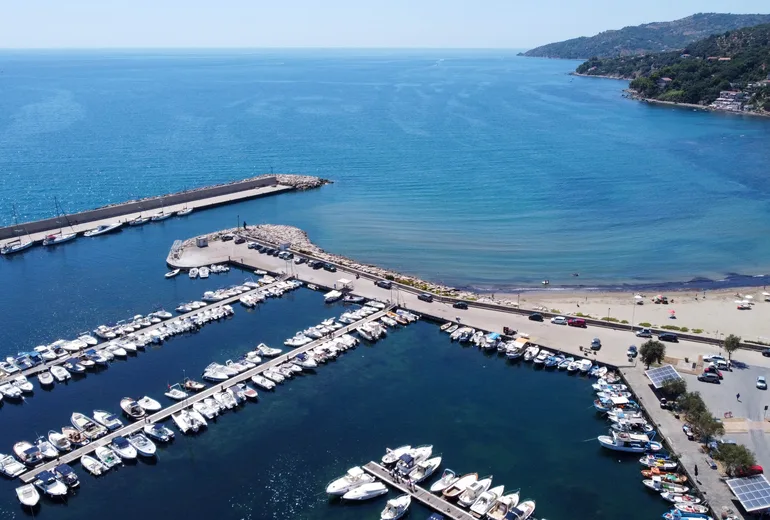
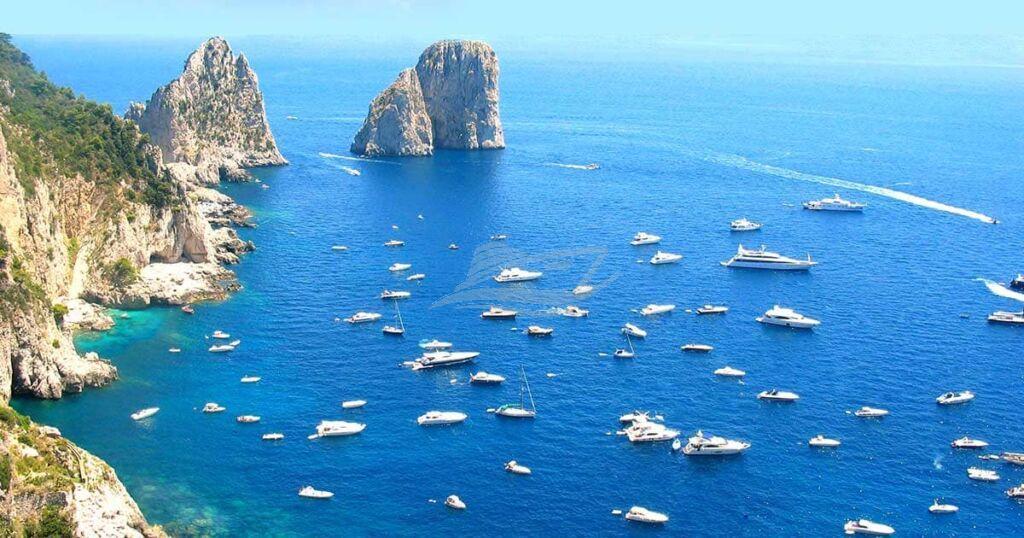
Italy's early window often drifts later into autumn than Croatia's strict December calendar.
Türkiye: gulets and the deposit question
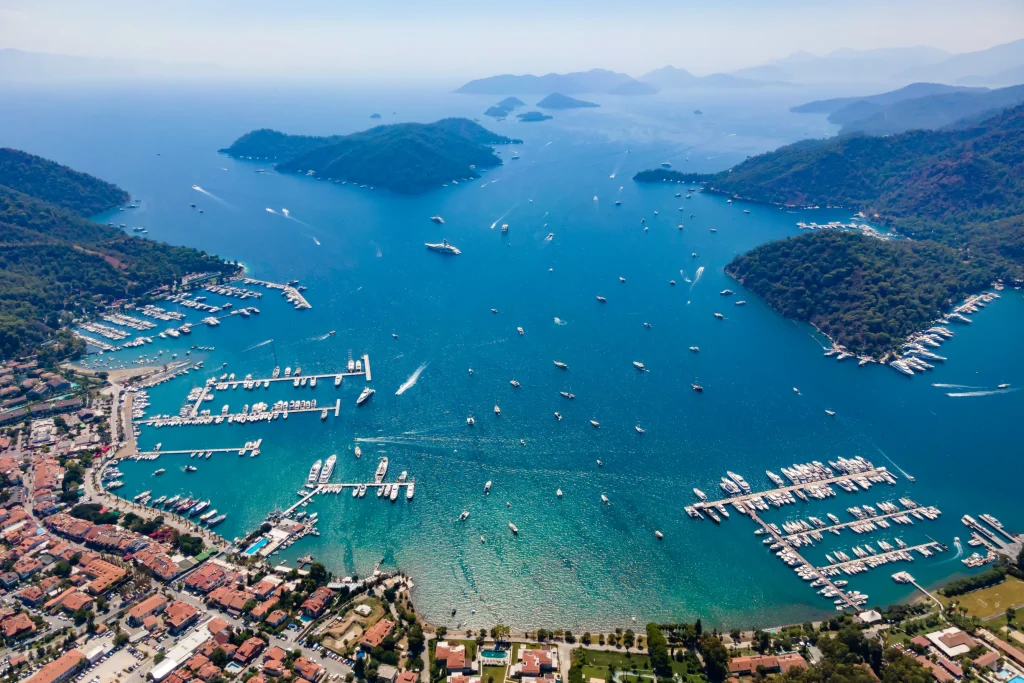
Turkish gulet and bareboat operators out of Bodrum, Göcek and Marmaris often advertise strong early percentages, but read the deposit terms closely. Some require a larger upfront payment to hold the rate, and the cancellation conditions differ from EU bases. The savings can be excellent; just make sure the money you are committing matches your certainty about the dates.
Deposit, payment and cancellation: read this before you pay
The early discount is a deal, but it is a deal with conditions. The standard structure is a deposit now, balance due roughly four to five weeks before embarkation. Pay attention to three clauses.
What counts as “booked”: the early rate is held by the deposit, not by an email saying you intend to book. Verbal holds expire.
Cancellation terms: most early bookings are non-refundable on the deposit unless you have a cancellation waiver or insurance. A waiver typically costs a few percent of the charter and is often worth it on a big-ticket week.
What the discount excludes: mandatory extras (cleaning, transit log, tourist tax, security deposit, fuel) are usually charged at full rate on top.
The early rate is held by your deposit, not by an email saying you intend to book.
Who should book now and who can wait
Booking at the December tier makes the most sense in three situations: you need a specific boat (a particular catamaran model, or a yacht that sleeps an exact number); you are travelling in the peak fortnight from mid-July to mid-August; or you want a crewed yacht, where the best skipper-and-hostess combinations get reserved a year out. In those cases the early discount and the availability protection point the same direction.
You can reasonably wait if your dates are flexible, you are happy with a wider range of boats, and you are sailing in the shoulder months. June and September weeks in Greece and Türkiye in particular keep coming back onto the market, and a patient charterer sometimes does better on a spring or even early-summer deal than on the headline early tier. If budget is the main lever, pair the timing question with our tips and tricks to charter a boat on a budget.
A simple decision rule
Multiply the early-discount percentage by your likely charter fee. If the number is bigger than what you would lose by committing early (deposit risk minus any waiver cost), book now. If your dates or boat are genuinely uncertain, the math usually favours waiting and watching, because a non-refundable deposit on the wrong week is the most expensive “saving” in chartering.
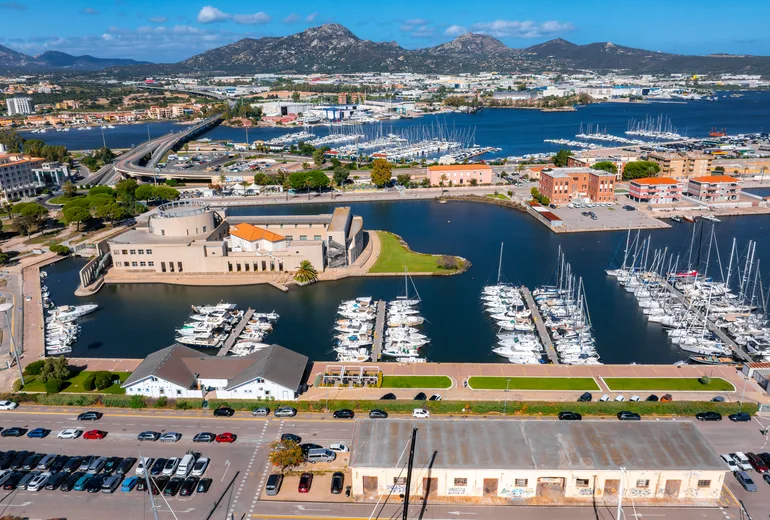
Sardinian bases like Olbia and Portisco are where Italy's later early-booking window plays out.
What changes between now and your sail date
Prices on the same boat tend to move in one direction as the season approaches: up, until the very last weeks when unsold inventory sometimes drops into last-minute territory. The early window is your one reliable shot at a discount on a confirmed, in-demand boat. Late deals exist, but they are a gamble on leftovers, and the best yachts in the best weeks are rarely among them.
It also helps to think in terms of the whole trip cost, not just the charter fee. A 12 percent early discount that you spend re-routing around expensive flights or a far-flung base is a wash. If you are still mapping the year, our overview for anyone thinking of renting a yacht next summer covers how the pieces fit together before you commit a deposit.
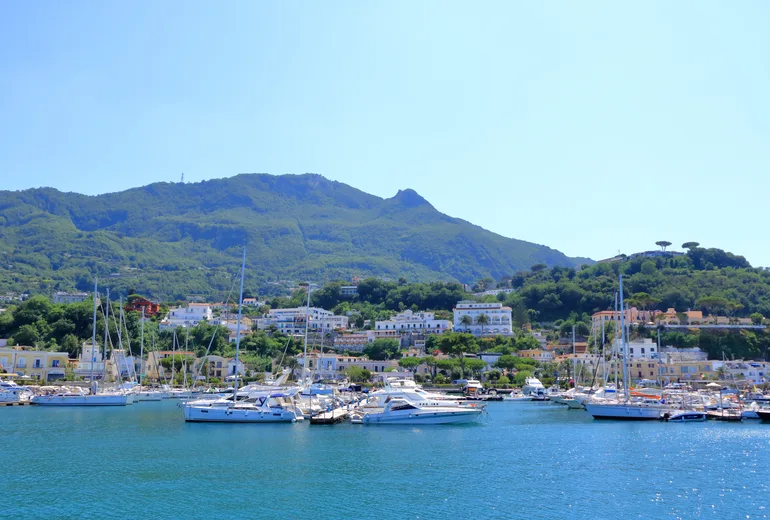
Lock in a confirmed boat now; late deals are a gamble on whatever is left over.
Frequently Asked Questions
When do 2027 early-booking discounts actually end?
The top tier on most Mediterranean fleets closes on December 31, 2026, with a reduced tier running to roughly the end of January and a final, smaller offer into spring. Italy is the common exception, with several bases keeping a meaningful early window open later into autumn and the new year.
How much can early booking really save on a 2027 charter?
Expect 5 to 15 percent off the base charter fee depending on the tier and boat. In euros that ranges from a few hundred on a small monohull to several thousand on a catamaran or crewed yacht. The discount usually does not apply to mandatory extras like cleaning, fuel or tourist tax.
Do I have to pay in full to get the early rate?
No, but you do have to pay the deposit, typically 30 to 50 percent, to secure the discount tier. An unpaid reservation rarely holds the early price. The balance is normally due four to five weeks before your embarkation date.
Is the early-booking deposit refundable if I cancel?
Usually not, unless you add a cancellation waiver or take separate travel insurance. A waiver costs a few percent of the charter and is often worth it on a peak-season week. Always read the specific cancellation clause before paying, because terms differ by country and operator.
Which destination should I lock in earliest?
Croatia and crewed yachts anywhere reward the earliest commitment, because the best boats and weeks sell out at the top tier first. Greece offers a longer tail of availability, and Italy’s later window means you can often plan it a little more slowly without losing the deal.
Ready to see which 2027 weeks are still at the early rate? Browse current yacht charters across Europe and secure your boat before the December tier closes.


 Charter Tips