Working From a Yacht: Starlink, Signal and the Best Med Anchorages for a Workation
How remote work from a boat with Starlink really performs in the Med, plus itinerary pacing and the calm anchorages that make a workation work.
Read more
The first decision in planning a 2027 charter is not the boat or even the week. It is where you start. Choosing the best yacht charter base in Europe shapes your flights, your first-night logistics, the fleet you can pick from and the waters you actually get to sail. Get the home port right and everything downstream gets easier.
Five ports do most of the heavy lifting in European chartering: Split, Athens, Palma, Naples and Bodrum. Each unlocks a different cruising ground and suits a different kind of trip. Here is how they compare on the things that decide a holiday: getting there, the boats on offer, the first night, and where you can sail from each.
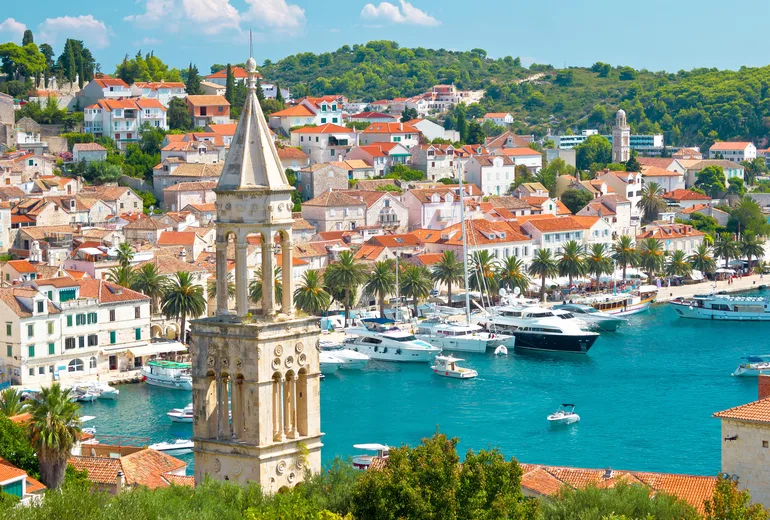
Split is the busiest charter hub in the Adriatic for a reason. The fleet is enormous and well-maintained, the airport is a 25-minute transfer from the main marinas at Kastela and Trogir, and you are within a day’s sail of Hvar, Brac, Vis and the Pakleni Islands. For a first charter or a group that wants island-hopping with short hops and lively towns, it is hard to beat.
Split airport (SPU) has direct summer flights from most of Europe. Transfers to Trogir’s marinas take 10 to 15 minutes; ACI Split and Kastela slightly more. Many crews spend the first night aboard in the marina, provision in the morning at the supermarket near the base, and clear the harbour by mid-morning. Trogir’s Venetian old town is a pleasant pre-departure dinner.
From Split you reach Hvar’s Pakleni anchorages in three to four hours, the Blue Cave on Bisevo near Vis in a longer day, and the quiet bays of Solta and Brac almost immediately. Distances are forgiving, marinas and town quays are plentiful, and the konoba dinners (peka lamb, fresh fish, Plavac Mali wine) are a highlight. For airport logistics across the region, our guide to airport-to-yacht transfers in Split, Athens, Dalaman and Palma has the door-to-deck detail.
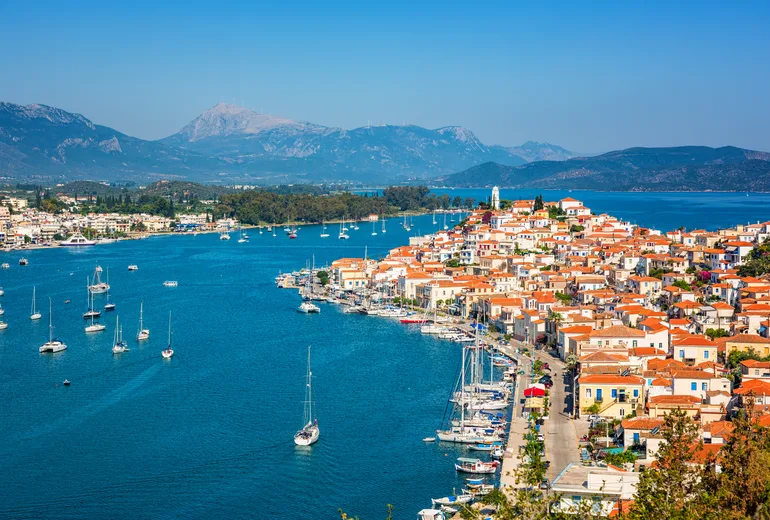
Athens, specifically the marinas at Alimos and Lavrio, holds the largest charter fleet in Greece and opens up two completely different cruising grounds. South and east lie the Cyclades; closer and calmer is the Saronic and Argolic. It is the most flexible base in the Med for choosing your style of week.
Athens (ATH) is one of Europe’s best-connected airports. Alimos marina is about 30 minutes by taxi, Lavrio around 45 to 60 but better positioned for the Cyclades. The base-night routine is standard: board, provision at the large supermarkets near Alimos, brief with the operator and leave the next morning. For the practical booking side, see our walkthrough on how to book a yacht charter from Athens for next summer.
From Lavrio you can be in the Cyclades, Kythnos and Serifos, on day one, with Mykonos and Paros within a few days for those who can handle the meltemi. From Alimos, the gentle Saronic, Aegina, Poros, Hydra, is calmer and more beginner-friendly. The wind is the deciding factor: the Cyclades reward experience, the Saronic forgives.
Palma de Mallorca is the most cosmopolitan charter port on this list and the gateway to the Balearics. The fleet skews toward newer, higher-spec boats and a healthy crewed-yacht market, the marina infrastructure is excellent, and the city itself is worth a night before you sail.
Palma (PMI) has dense connections across Europe and sits 15 to 20 minutes from the main marinas. The city’s restaurants and the cathedral district make the pre-charter night more of an event than at most bases. Provisioning is easy, and the standard of boats and brokerage here is high.
From Palma you cruise the calas of Mallorca’s south and east coasts, cross to the quiet anchorages of Cabrera (permit required), or make the longer hop to Ibiza and Formentera for the famous turquoise of Espalmador. The Balearics run pricier than the eastern Med, but the water and the polish are part of the deal.
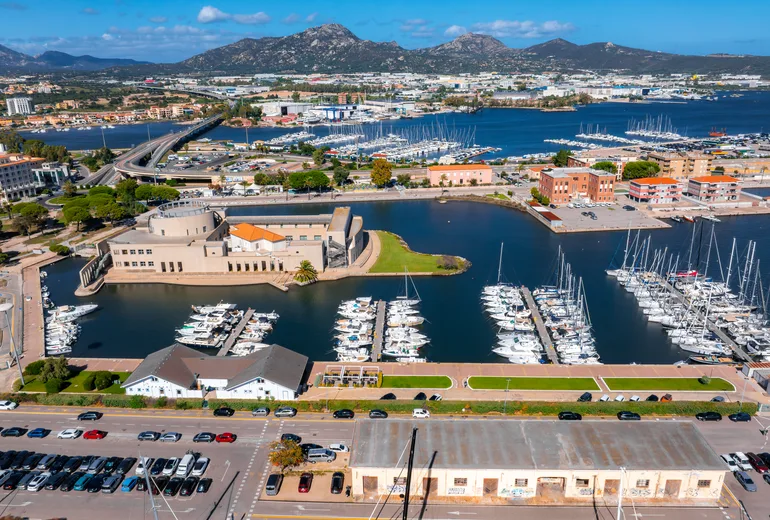
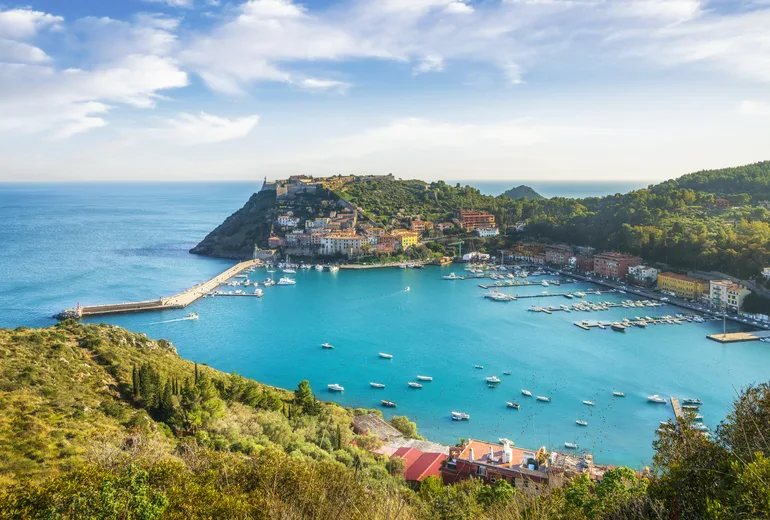
Naples puts you within striking distance of some of Italy’s most recognisable cruising: Capri, Ischia, Procida, the Amalfi Coast and, further out, the Aeolian Islands. It is the most scenic first leg of any base here, and the food alone justifies the trip.
Naples (NAP) is well connected and around 30 minutes from the main embarkation points; some charters start from Salerno or the marinas around Sorrento, which are better placed for the Amalfi run. Provisioning in Naples is excellent and characterful. A first dinner of pizza in the city or seafood in Sorrento sets the tone.
Procida and Ischia are an easy first day; Capri’s Faraglioni and the Blue Grotto a short hop beyond; Positano, Amalfi and the Li Galli islands string along the famous coast. Anchorages here are busier and the Amalfi summer is crowded, so shoulder-season timing pays off. Mooring fees in Capri and Positano are among the highest in the Med, so budget accordingly.
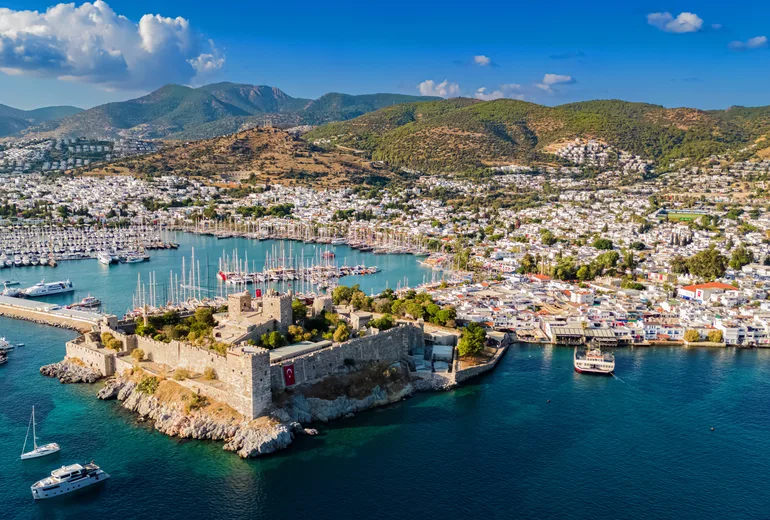
Bodrum is the value play and the gateway to one of the most beautiful, least crowded coastlines in the eastern Med. It is the heart of the gulet world, the traditional wooden crewed yachts, but also a strong bareboat base, and the marina, fuel and provisioning costs run noticeably below EU prices.
Bodrum (BJV) and nearby Dalaman (DLM) serve the region; transfers from Bodrum airport to the marina are about 35 to 45 minutes. The marina town is lively, the boatyards are full of immaculate gulets, and the first-night dinner of meze and grilled fish on the waterfront is a pleasure. Visa and check-in formalities are a little more involved than the EU, so leave margin on day one.
From Bodrum you reach the Gökova Gulf’s pine-fringed anchorages, the islets of Göcek and the Twelve Islands, and the quiet coves toward Datça. It is gentler sailing than the Cyclades, with reliable afternoon breezes and bays you can often have largely to yourself. The value is real: a gulet week here frequently undercuts an equivalent Croatian charter by a wide margin.
The waters off each base demand different levels of experience, and that should weigh on your choice as much as the flights. Split and the central Dalmatian channels are sheltered and well-marked, with the bura and maestral winds usually manageable and help never far away; it is forgiving for a newer skipper. The Saronic out of Alimos is similarly gentle. Step up to the Cyclades from Lavrio and the meltemi can blow Force 6 to 8 for days in high summer, which is real sailing that rewards miles in the logbook.
Palma’s Balearic crossings to Ibiza and Cabrera involve open-water legs and stronger afternoon thermals, while Naples mixes easy island hops with the busy, swell-prone Amalfi shoreline. Bodrum’s Gökova Gulf is among the most relaxed sailing on this list: reliable, moderate afternoon breezes and short distances. If a licence question is on your mind, our note on whether you need a sailing licence to charter in Croatia or Greece covers the paperwork side before you pick a base.
Every base has its own provisioning rhythm, and it shapes day one. Split, Athens and Palma all have large supermarkets within a short walk or taxi of the marina, so a full week’s stocking is straightforward. In Bodrum the markets are excellent value, with fresh produce and fish noticeably cheaper than the EU bases. Naples rewards a more characterful approach: the city’s delis and markets are worth an extra hour.
On overall trip cost, the order is broadly Bodrum cheapest, then Athens and Naples in the middle, with Split and especially Palma at the top once marina fees are counted. The Balearics and Croatia’s peak-season town quays are where the budget moves; Greece and Türkiye keep more of your money in anchorages. None of this should override the experience you want, but it is worth factoring before you commit.
Match the port to the trip. First charter or island-hopping group: Split. Maximum flexibility between calm and challenging waters: Athens. Polish, newer boats and a city night: Palma. Iconic Italian scenery and food: Naples. Best value and quiet coves: Bodrum. None is wrong; they are simply different holidays.
Once you have settled on a base, the next step is timing the booking. If you are planning for 2027, lock the window early; our breakdown of early-booking discounts and the real 2027 deadlines shows what you save by deciding now rather than in spring.
Split and Athens (from Alimos, sailing the Saronic) are the most beginner-friendly: short hops, plentiful marinas and town quays, and forgiving winds. Bodrum’s Gökova Gulf is also gentle. Save the Cyclades from Lavrio and the open Balearic crossings for when you have more miles under the keel.
Bodrum is consistently the best value, with marina, fuel and provisioning costs below EU levels and gulet weeks that often undercut Croatia. Greece sits in the middle, while Palma and the Balearics are the most expensive of the five bases here.
Decide the base before you book the boat, ideally in autumn or early winter. The best fleets in Split and the best crewed yachts out of Palma and Bodrum sell out at the early-booking tier first, so an early decision protects both choice and price.
Sometimes, within a cruising ground, for example Athens to a Cyclades island, but cross-country one-ways are rare and usually carry a relocation fee. Most charters are return trips to the same base, so plan your route as a loop from your chosen home port.
Naples for the Amalfi Coast and the islands of the Bay of Naples is the most dramatic first leg, though also the busiest and priciest for mooring. For scenery with more solitude, Bodrum’s Carian coast and Croatia’s Kornati both deliver.
Picked your starting point? Compare boats and availability at each base on our European destinations page and start building your 2027 route.