
Working From a Yacht: Starlink, Signal and the Best Med Anchorages for a Workation
How remote work from a boat with Starlink really performs in the Med, plus itinerary pacing and the calm anchorages that make a workation work.
Read more
One question comes up on almost every crewed charter enquiry: what do you actually eat all week? Not the brochure line about “gourmet dining” — the real, plate-by-plate answer. So here’s a genuine seven-day menu from a crewed Mediterranean week, the kind we plan with clients all the time.
Good crewed yacht charter food isn’t fancy for its own sake. It’s fresh, local, generous, and shaped around your day — a light lunch at anchor, something more substantial after a swim, the odd dinner ashore. Here’s how it works, who cooks it, and what a real week looks like. If you’ve read about a day in the life of a luxury charter, this is the food half of that picture.
This trips people up, so it’s worth being clear. On a smaller crewed yacht — a monohull or catamaran with a skipper and one host — the cooking is usually done by the hostess (or host), who provisions, prepares breakfasts and lunches aboard, and often a few dinners too. On a larger yacht or gulet, you may have a dedicated chef separate from the hostess, and the food steps up accordingly.
The distinction matters for expectations. A hostess turns out excellent, home-style Mediterranean cooking; a trained chef does plated, restaurant-level meals. Both are a world away from self-catering. Our guides to what a boat hostess does and the practical side of chartering with a hostess spell out the difference in detail.
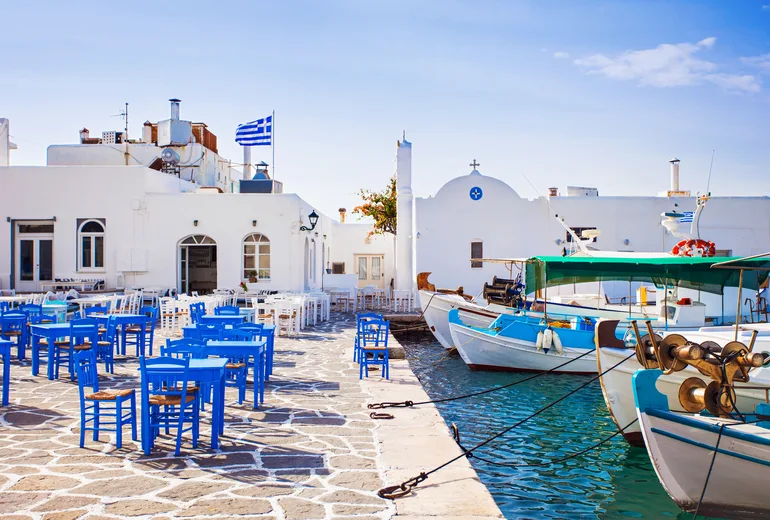
Before you board, the crew sends a preference sheet: allergies, dislikes, dietary requirements, how adventurous you are, whether the kids will eat fish. From that they provision at the start of the week and top up with fresh produce, bread and fish along the way — that’s why you’ll often anchor near a village with a morning market.
Provisioning is typically billed at cost (an “advance provisioning allowance” or APA on larger yachts, or a per-person food budget on smaller ones), so you’re paying for the actual food, not a marked-up package. A realistic figure runs roughly €35–60 per person per day for full board including breakfast, lunch and most dinners — less if you eat ashore more often, more if you want premium wine and seafood aboard.
The “at cost” bit is worth dwelling on, because it surprises people in a good way. Unlike a hotel or a restaurant, the crew isn’t marking up your food, so the quality-to-price ratio is excellent: the same money that buys an average tourist dinner ashore buys a feast of fresh fish and local produce on deck. On larger crewed yachts the APA is collected up front (commonly around 30% of the charter fee), spent transparently on food, fuel, dockage and drinks, and reconciled at the end with the balance returned. On smaller boats it’s simpler — a shared kitty the hostess shops from.
Here’s how a week actually tends to unfold on a Mediterranean charter. It’s not rigid — the crew flexes with the weather, the markets and your mood — but it’s representative.
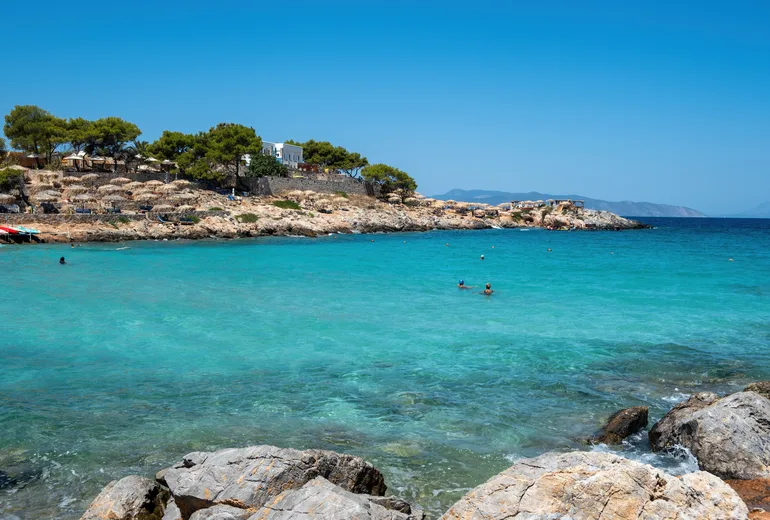
You board in the late afternoon, so the first meal is usually relaxed. Expect a welcome platter of local cheeses and cured meats, marinated olives, fresh bread and a chilled local white as you motor to the first anchorage. Many crews keep the first dinner light — a grilled fish or a big mixed salad — while everyone settles in.
Breakfast sets the daily pattern: fresh fruit, yoghurt and honey, eggs to order, good coffee, local pastries. Lunch is the classic charter spread — a Greek-style salad with proper feta, a cold orzo or potato dish, grilled vegetables, hummus, fresh bread, all eaten on deck after the morning swim. Dinner aboard might be grilled sea bream with lemon potatoes.
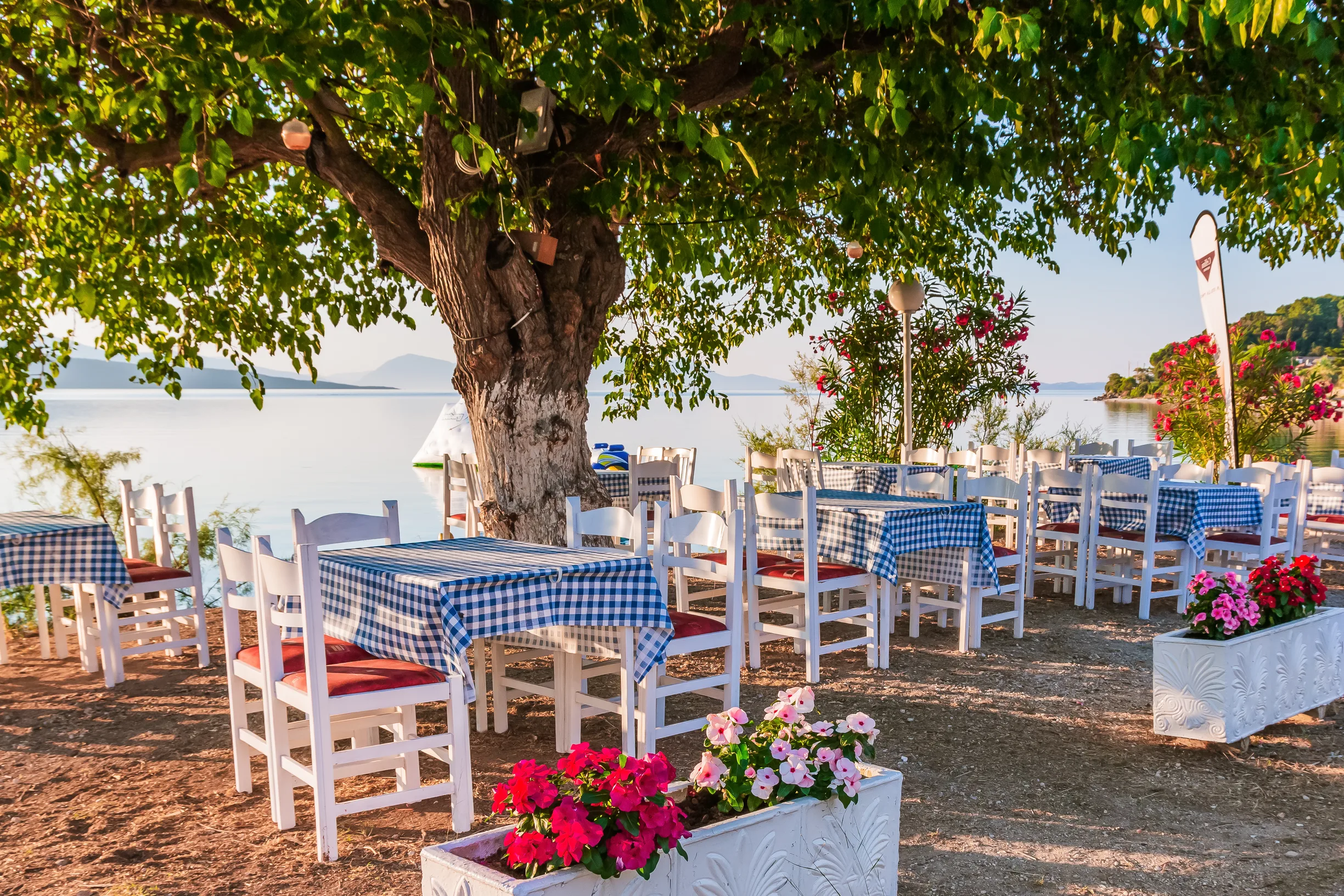
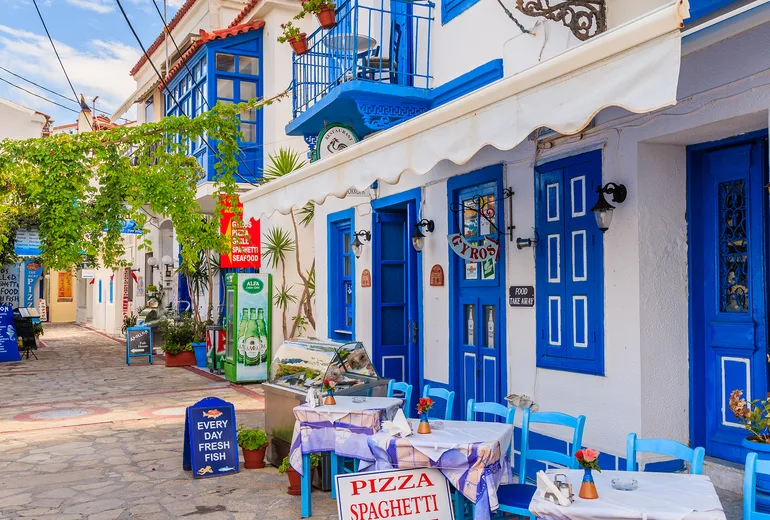
Most weeks include a couple of nights in a harbour with good tavernas, and the crew will steer you to the right one. Picture grilled octopus, fried calamari, a clay-pot of giouvetsi or a Croatian peka (meat and vegetables slow-cooked under a bell), washed down with the house wine. Eating ashore a few times is part of a good charter, not a failure of the galley.
On a passage day lunch goes simple and one-handed: wraps, a frittata, cold pasta salad, fruit — things that travel well when the boat’s heeling. Dinner once you’re anchored is the reward: maybe a slow-cooked stew or a risotto with whatever the crew picked up that morning.
Somewhere mid-week the cook usually pulls out a signature dinner. On a chef-crewed boat that might be a multi-course tasting; on a hostess boat, a generous spread of local specialities — fresh-caught fish, a regional risotto or pasta, a homemade dessert. This is the meal people photograph.
By now the crew knows what you love and leans into it. Lunch is the by-now-familiar deck spread, dialed to your tastes; dinner might be a barbecue off the stern if the anchorage is calm — grilled meat or fish, charred vegetables, the last of the good wine under the stars.
A full breakfast before you pack — and on many boats the crew sends you off with a final lunch at anchor if your flight allows. It’s a soft landing back into the real world.
Drinks usually sit outside the food budget and are worth a separate conversation. Most crews stock a default bar — local beer, a few spirits, soft drinks, house wine — and will provision exactly what you ask for if you send a list in advance. This is where regional flavour pays off: ask for Assyrtiko in Greece, Plavac Mali and Pošip in Croatia, a Vermentino in Sardinia, and you drink far better than a generic case for the same money.
On a hostess-crewed boat, aperitif hour is a small ritual — a tray of drinks and a nibble on the foredeck as the sun drops. On larger yachts the bar can run to proper cocktails. Either way, flag your preferences (and any non-drinkers) up front so the boat isn’t over- or under-stocked, and remember that drinks bought ashore in tavernas are separate again.
Crews handle vegetarian, vegan, gluten-free, dairy-free, halal and kosher-style requests routinely — the key is putting it on the preference sheet before the week, not surprising the cook on day two. Provisioning happens in advance, so a last-minute “actually, I don’t eat shellfish” is much harder to absorb once you’re in a remote bay.
Two practical tips. First, be specific about quantities and appetites — crews would rather over-cater than leave you hungry. Second, if there are children aboard, say what they’ll actually eat; a good cook will quietly keep a stash of pasta, chicken and fruit for fussier young crew alongside the grown-up menu. Flag it all early and the galley simply hums along in the background, which is exactly the point of a crewed week.
Fresh, local, Mediterranean cooking — daily breakfasts, generous deck lunches and most dinners aboard, with a few meals ashore in tavernas. On smaller boats the hostess cooks home-style; on larger yachts a dedicated chef plates restaurant-level meals.
Provisioning is usually billed at cost, around €35–60 per person per day for full board. Eating ashore more often lowers it; premium wine and seafood aboard raise it. On larger yachts it’s collected as an advance provisioning allowance (APA).
Yes, routinely — just put requirements on the preference sheet before the trip. Because provisioning happens in advance, flagging diets and allergies early makes a real difference, especially when you’re cruising away from shops.
Not necessarily. A typical week mixes breakfasts and lunches aboard with a couple of dinners ashore in good harbour tavernas. The balance is yours to set — tell the crew how often you’d like to eat out.
Hungry for the full experience? Browse our crewed yachts across the Mediterranean and tell us your tastes — we’ll match you to a boat and crew whose galley fits your week.